
'Zero Calorie' Foods: The Fine Print Your Body Always Reads

Zero-calorie foods aren't truly free. Artificial sweeteners trigger an insulin response without delivering energy, causing rebound hunger 30–60 minutes later. The 'guilt-free' label increases portion sizes by an average of 28%. Diet soda drinkers consume more total daily calories than water drinkers, not less.
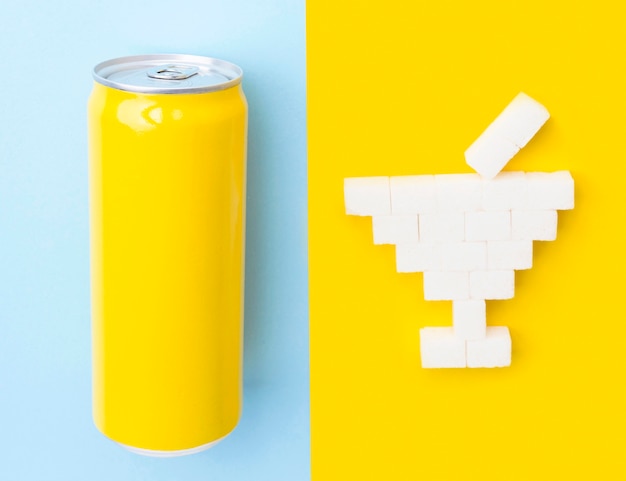
ZERO
If it's zero calories, why aren't you losing weight?
Your Body Reads Labels Differently Than Your Eyes Do
'Zero calorie' is nutrition's version of 'free shipping' - technically true, but the catch is always somewhere in the fine print. Your eyes see 0 kcal. But your gut microbiome, your insulin system, and your hunger hormones read the whole label - and they have strong opinions about what they find.
The 4 Zero-Cal Traps
Here's what the research actually says about the most popular 'free' foods in the dieter's toolkit:
Sweeteners and Insulin Response. Artificial sweeteners don't spike blood sugar, but they trigger an insulin response in many people via cephalic phase reflex. This can lower blood sugar without delivering energy, creating rebound hunger 30–60 minutes later that you didn't see coming.
Diet Drinks and the Hunger Trigger. Multiple studies show diet soda drinkers consume more total calories than water drinkers, not because of the soda itself, but because sweet taste triggers appetite upregulation. Your brain expects calories after sweetness. When none arrive, it compensates later.
The 'I Can Eat More' Effect. When food is labeled 'zero calorie' or 'diet', portion sizes increase by an average of 28% (Cornell Food Lab). The mental permission of 'it's guilt-free' overrides the portion limits that normally apply to regular food.
Gut Microbiome Disruption. Research from the Weizmann Institute found that certain sweeteners (saccharin and sucralose) alter gut bacteria in ways that impair glucose tolerance. A disrupted microbiome connects to increased inflammation, worse sleep, and stronger cravings, long after the diet drink is gone.
The 3-Part Reality Check
Zero-calorie foods aren't evil, but they're not free. Here's how to use them without falling for the traps:
Label Scan - Use Mango Bites to scan product labels. What the front says and what the full nutrition panel reveals are often very different things.
Real Food Ratio - The more of your diet comes from whole, unprocessed food, the less the zero-calorie fine print matters. Aim for 80% from recognizable ingredients.
Track the Trend - Eating 'zero-cal' but not losing weight? Scan your last 7 days with Mangi. The compensation effect usually shows up clearly in weekly data.
Frequently Asked Questions
Do artificial sweeteners really affect weight loss?
Do artificial sweeteners really affect weight loss?
Research is mixed but leaning toward 'yes, in some people'. Sweeteners don't add calories directly, but they can increase appetite, trigger insulin responses, and alter gut bacteria in ways that slow fat loss. Switching from regular to diet soda helps, switching to water helps more.
Is diet soda bad for you?
Is diet soda bad for you?
Not clearly harmful in moderate amounts, but not neutral either. The risks: appetite upregulation from sweet taste, potential gut disruption from certain sweeteners, and the psychological permission effect leading to overeating elsewhere.
Are zero-calorie snacks (rice cakes, air-popped popcorn) good for weight loss?
Are zero-calorie snacks (rice cakes, air-popped popcorn) good for weight loss?
They're lower-calorie alternatives, but low in protein and fiber, meaning low satiety. You need more to feel full, and the 'guilt-free' framing leads to larger portions. Higher-protein snacks (Greek yogurt, cottage cheese) are usually better for appetite control.
Which sweeteners are better for gut health?
Which sweeteners are better for gut health?
Current evidence suggests stevia and erythritol have less gut microbiome impact than saccharin or sucralose. However, erythritol at high doses causes digestive discomfort in some people. All are better than sugar for blood glucose, none are truly free for your biology.
How can Mango Bites help identify zero-calorie trap foods?
How can Mango Bites help identify zero-calorie trap foods?
Mango Bites scans product labels and shows the full nutrition breakdown, including fiber, protein, and sweetener content often hidden on the back. Over time, Mangi shows whether your 'diet' choices correlate with higher total daily intake, which is the key metric that matters.